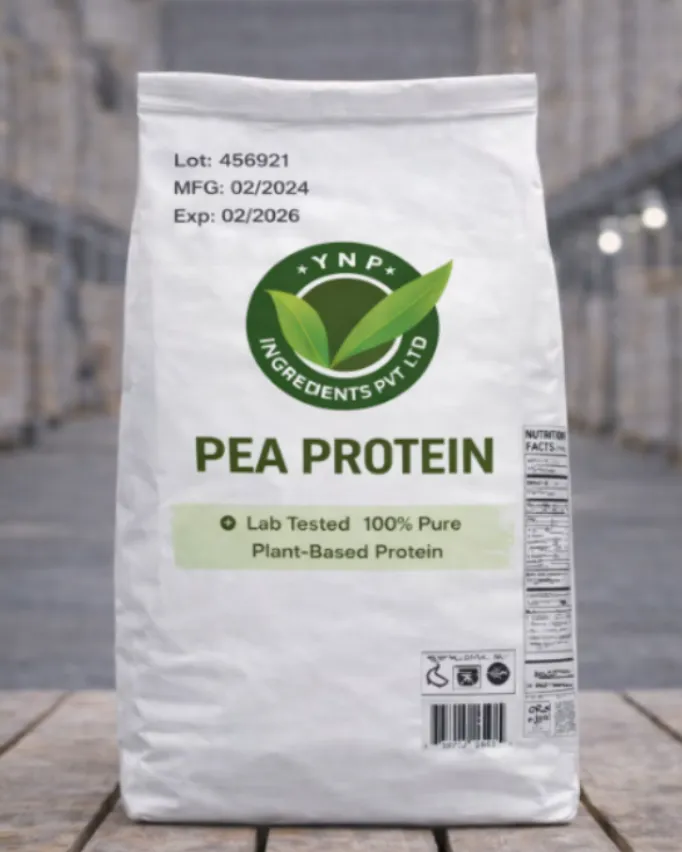
Plant-based nutrition is creating new formulation opportunities across protein powders, snacks, meal replacements and functional foods. Among the available protein ingredients, pea protein isolate has become a useful option for manufacturers seeking a plant-derived protein source.
For product developers in Gurgaon, Haryana, the ingredient is relevant across several categories, but its suitability depends on how it performs within the complete formulation.
Pea protein is derived from peas and processed to concentrate the protein fraction. Isolate grades are generally selected when manufacturers need a comparatively concentrated protein ingredient rather than simply adding pea flour or another less concentrated raw material.
Potential applications include plant-protein powders, nutritional blends, protein bars, meal-replacement products, savoury formulations and selected beverage systems.
The ingredient offers several formulation possibilities, but developers need to account for its natural characteristics.
Taste is one consideration. Plant-derived proteins can have noticeable flavour notes, meaning flavour masking and balancing may be required depending on the product.
Texture is another. Protein powders can influence thickness, mouthfeel and overall sensory quality. This becomes especially noticeable in beverages and shakes where consumers expect smooth mixing.
Developers should also consider how pea protein interacts with other ingredients. Combining it with flavours, sweeteners, fibres, minerals or another protein source can change the final product's behaviour.
The growing food and nutraceutical sector across Gurgaon and the wider Haryana-NCR manufacturing corridor has increased interest in ingredients suitable for contemporary nutrition products. Yet selecting a plant protein should remain a technical decision rather than simply following a market trend.
YNP Ingredients Pvt Ltd works with manufacturers requiring protein and formulation ingredients for different commercial applications. A useful sourcing enquiry should specify the application, expected protein requirements, product format and anticipated purchase volume.
During product development, manufacturers can assess:
- Protein and nutritional specifications
- Taste and aroma
- Powder dispersibility
- Texture and mouthfeel
- Compatibility with the flavour system
- Storage requirements
- Packaging suitability
- Supplier documentation and batch consistency
Pilot batches are particularly useful before committing to larger production volumes. They allow developers to test the ingredient under realistic mixing and processing conditions.
Pea protein isolate can provide a practical foundation for plant-based product development, but ingredient selection is only one part of achieving a successful formulation. For Gurgaon manufacturers, evaluating sensory performance, processing behaviour and supply requirements together can help turn a promising plant-protein concept into a commercially workable product.
Keywords